The Battle of Svolder: History, Mystery, and Filling the Gaps
How do historical fiction authors write about events when most of the details are missing? The Battle of Svolder is a great example of how.

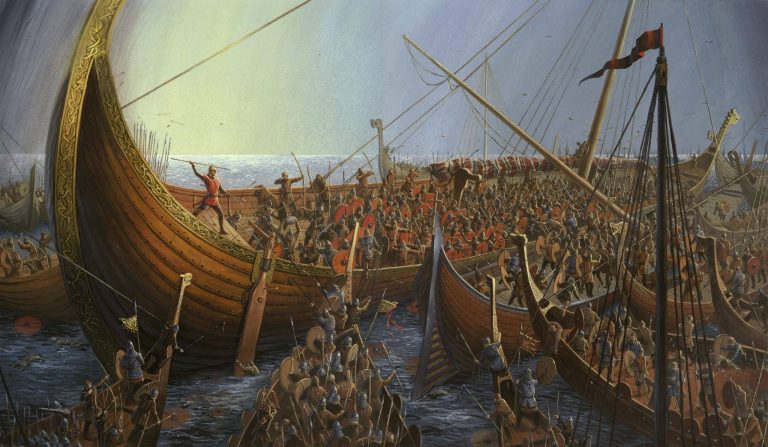
How do historical fiction authors write about events when most of the details are missing? The Battle of Svolder is a great example of how.
Great news! The new anthology commemorating the Battle of Stamford Bridge is now available, featuring some amazing historical short stories.
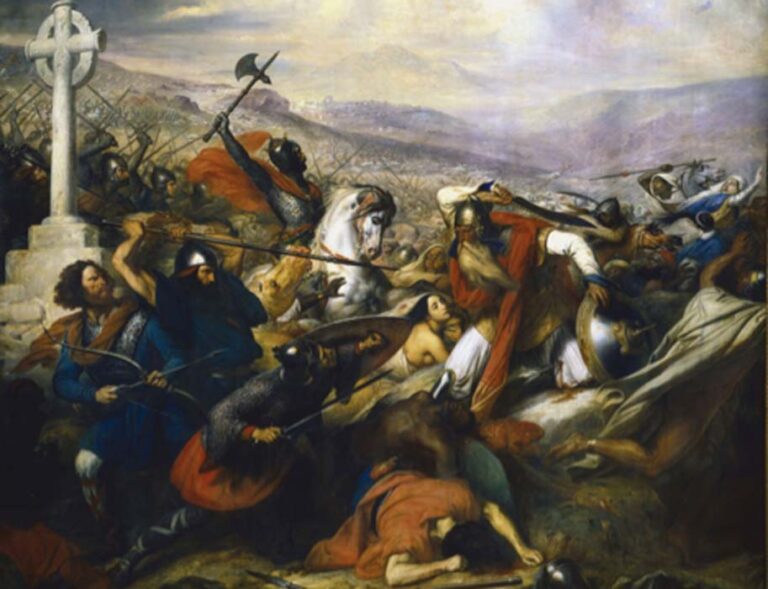
In ca. AD 950, the Saxon king Otto I subdued King Gorm’s Danes. This post takes a closer look at their ongoing struggle.

In this post, I wanted to focus on one of the more obscure West Slavic tribes – the Wagri or Wagrians – who lived in the far western region of Wendland (aka Vendland) in what is now Holstein.

This post will take a closer look at a West Slavic people called the Wends (or Vends), who were frequent targets of Viking raids.
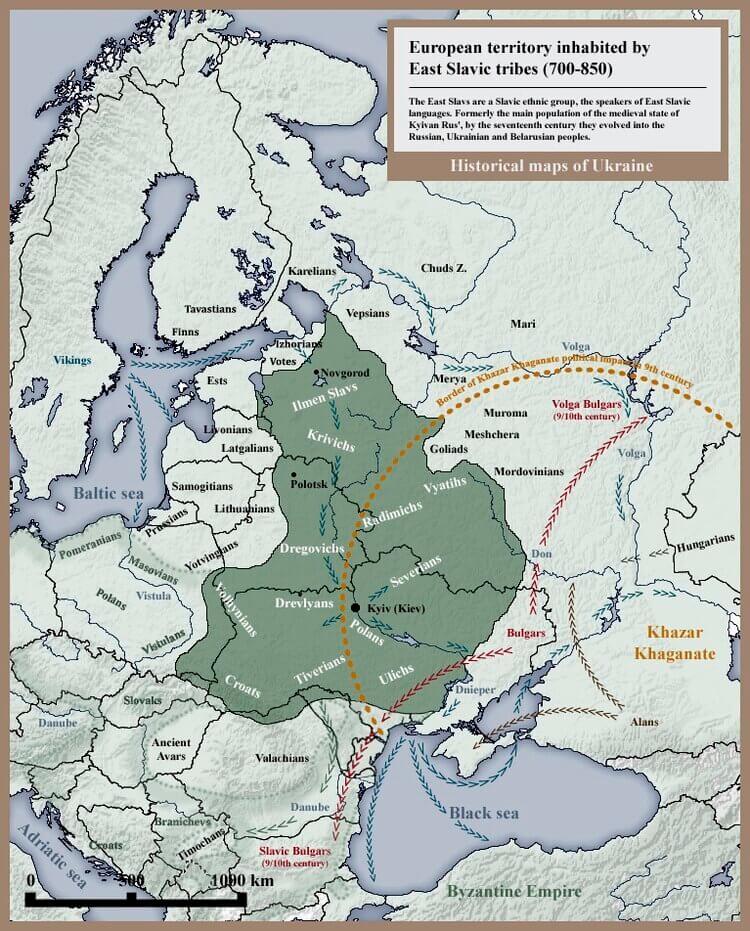
From the feedback I’ve received, it’s clear that more is known of the Vikings in England, France and Ireland, and that fewer readers know about this place called Kievan Rus’ or Gardariki – a place that will eventually become what is now called Russia, Belarus, and the Ukraine – or the important role it played in the Viking story and in the history of Eastern Europe. Hopefully this post will help shine a bit more light on that bygone kingdom.
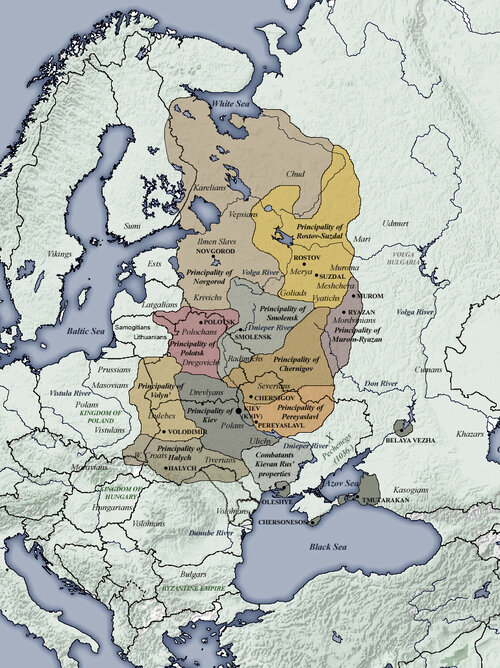
Writing historical fiction often presents difficulties. In my most recent book, Sigurd’s Swords, one of those challenges was understanding the place called Novgorod.
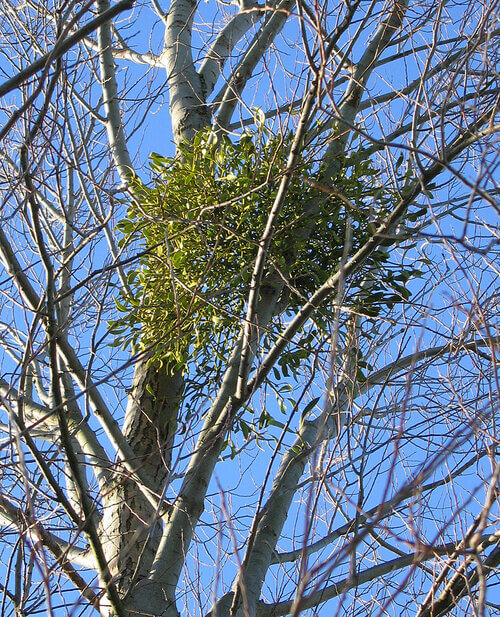
We all know mistletoe as the twig we hang in doorways and thresholds during the Christmas or Yuletide season and under which we kiss. But why? Where did this tradition come from and why is this parasitic and poisonous plant at the center of it?

During previous Octobers, I have written about Viking creatures and things that go bump in the night. This October, I decided to investigate a simple question: did the early Scandinavians (who I will call Vikings for simplicity) celebrate Halloween? This blog post unveils what I found.

In my latest Viking Age novels, I introduce a female character named Turid who yearns to fight alongside men in battle. To me, it seemed natural that during the Viking Age, there might be women who wanted to –– and did –– fight. This post takes a closer look at the plausibility of that.