The Battle of Svolder: History, Mystery, and Filling the Gaps
How do historical fiction authors write about events when most of the details are missing? The Battle of Svolder is a great example of how.

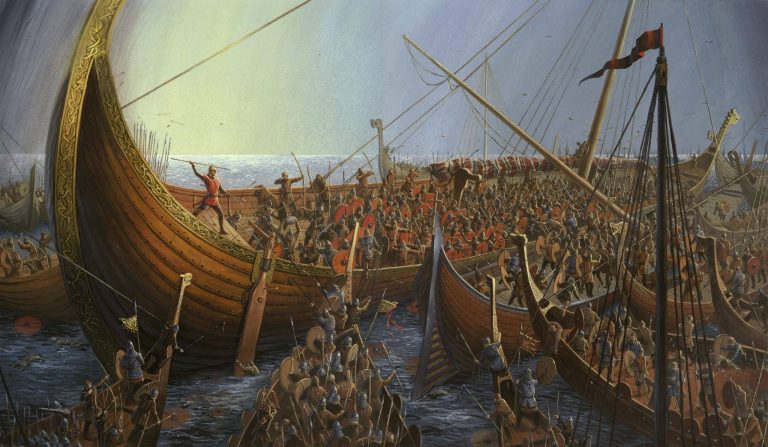
How do historical fiction authors write about events when most of the details are missing? The Battle of Svolder is a great example of how.
Great news! The new anthology commemorating the Battle of Stamford Bridge is now available, featuring some amazing historical short stories.

This post will take a closer look at a West Slavic people called the Wends (or Vends), who were frequent targets of Viking raids.
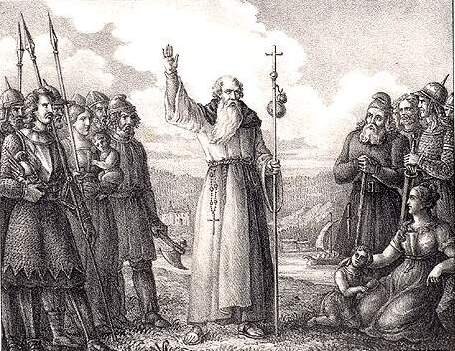
Christianity did not come quickly to the early Scandinavians. While the majority of western Europe had already accepted the Christian faith, the Vikings preferred their old gods and resisted the incursion of the new faith. It was not until the 800s that one man began to change that. His name was Ansgar.
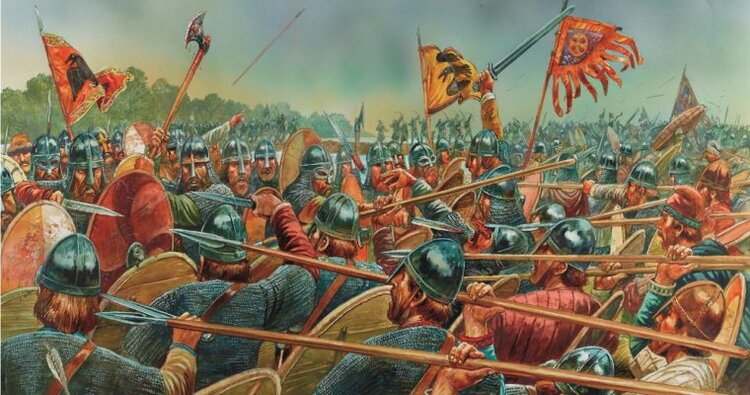
There has long been a debate about whether Olaf Tryggvason was at the Battle of Maldon, a battle believed to have taken place on Aug 11 in AD 991. This post will take a closer look at that question and hopefully shine a bit more light on that subject.
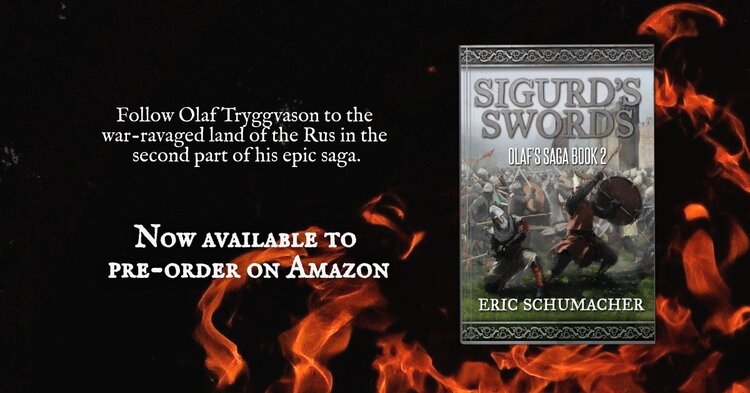
The second book of Olaf’s Saga, Sigurd’s Swords tells the story of the future king of Norway, Olaf Tryggvason, and his time living and fighting in the war-torn kingdom of the Rus. Read more and pre-order today.
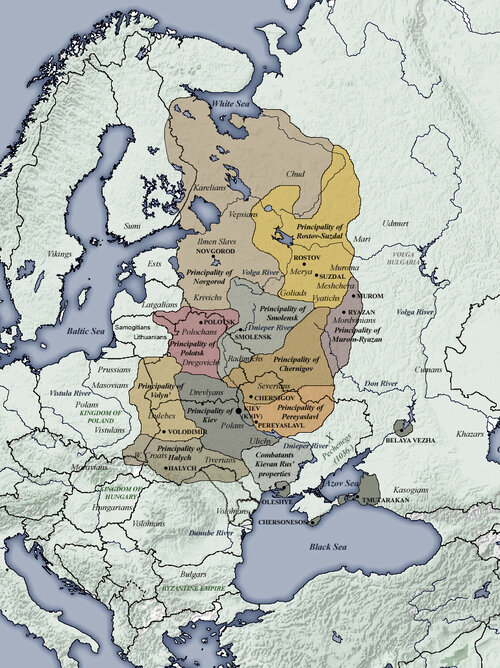
Writing historical fiction often presents difficulties. In my most recent book, Sigurd’s Swords, one of those challenges was understanding the place called Novgorod.
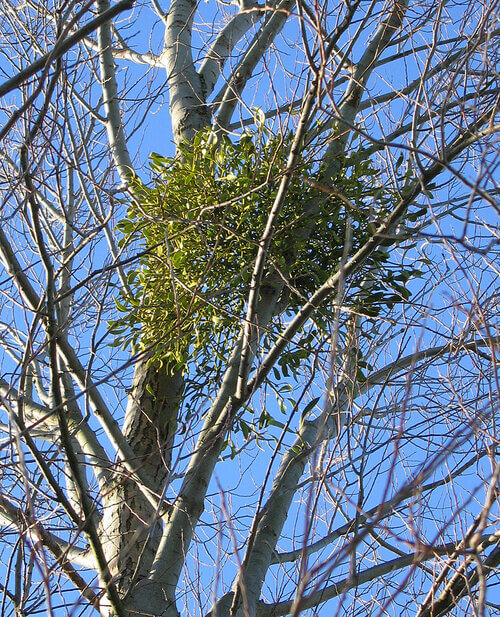
We all know mistletoe as the twig we hang in doorways and thresholds during the Christmas or Yuletide season and under which we kiss. But why? Where did this tradition come from and why is this parasitic and poisonous plant at the center of it?

During previous Octobers, I have written about Viking creatures and things that go bump in the night. This October, I decided to investigate a simple question: did the early Scandinavians (who I will call Vikings for simplicity) celebrate Halloween? This blog post unveils what I found.

In my latest Viking Age novels, I introduce a female character named Turid who yearns to fight alongside men in battle. To me, it seemed natural that during the Viking Age, there might be women who wanted to –– and did –– fight. This post takes a closer look at the plausibility of that.