The Battle of Svolder: History, Mystery, and Filling the Gaps
How do historical fiction authors write about events when most of the details are missing? The Battle of Svolder is a great example of how.

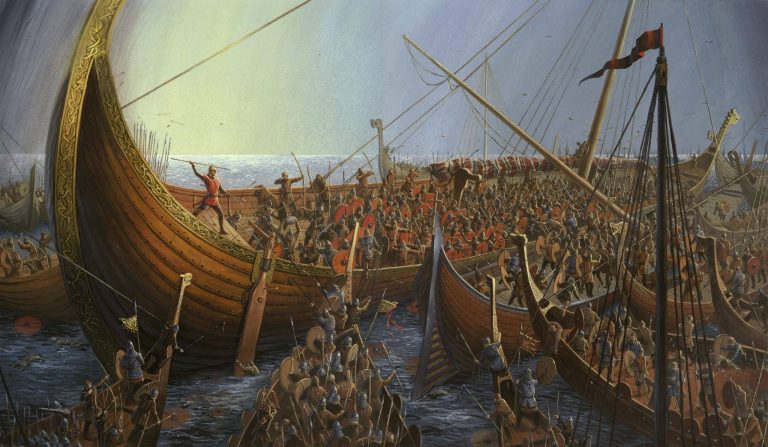
How do historical fiction authors write about events when most of the details are missing? The Battle of Svolder is a great example of how.
Great news! The new anthology commemorating the Battle of Stamford Bridge is now available, featuring some amazing historical short stories.

Great news! The fifth and final book in my series about Olaf Tryggvason – Vengeance of the Damned – is now available .
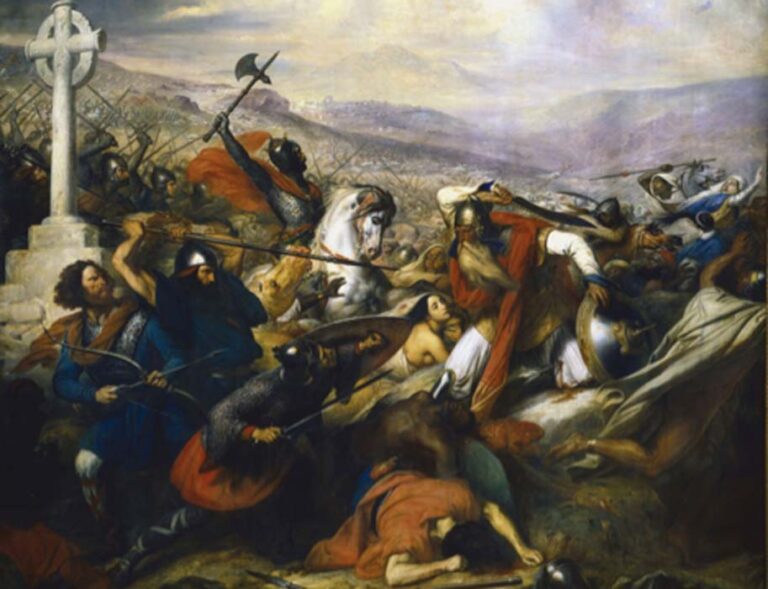
In ca. AD 950, the Saxon king Otto I subdued King Gorm’s Danes. This post takes a closer look at their ongoing struggle.

In this post, I wanted to focus on one of the more obscure West Slavic tribes – the Wagri or Wagrians – who lived in the far western region of Wendland (aka Vendland) in what is now Holstein.

During previous Octobers, I have written about Viking creatures and things that go bump in the night. This October, I decided to investigate a simple question: did the early Scandinavians (who I will call Vikings for simplicity) celebrate Halloween? This blog post unveils what I found.
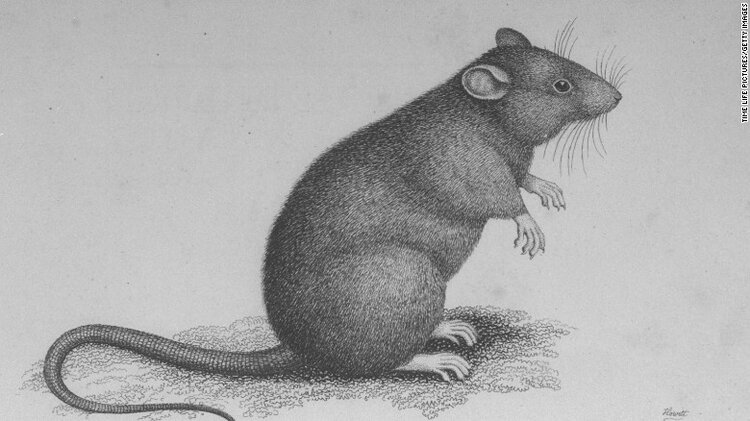
With COVID-19 spreading globally, it made me wonder about diseases during the Viking Age and whether early Scandinavians (who I will call the Vikings) ever dealt with a pandemic. As it turns out, they did.
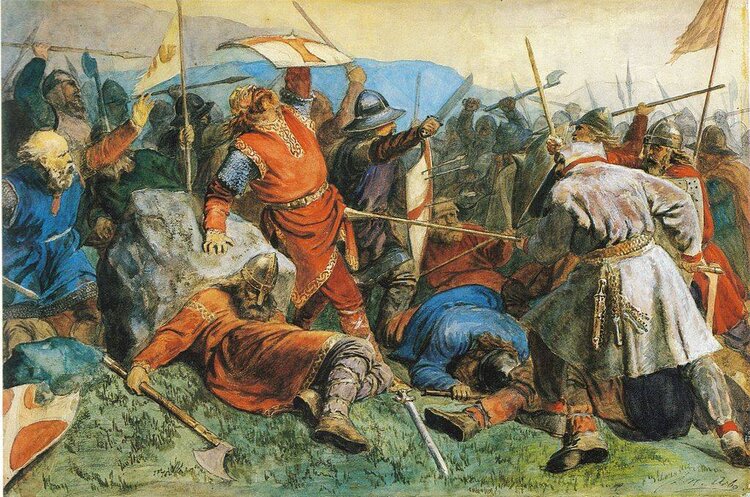
In the year AD 933 or 934, a battle was fought in a place called Mollebakken, not far from modern-day Tønsberg. Though the poet and historian Snorri Sturlason describes the battle in a few short lines in Heimskringla, the battle proved to be one of the more consequential battles in Norway’s history.

This post takes a deeper dive into the fascinating Norse character Gunnhild, Mother of Kings and wife to Erik Bloodaxe.

I’ve been traveling through Italy and there is one spot where myth and history combine to tell an interesting tale of the Vikings. The place is called Luni.